
Expert Picks For Cabinet Painting Products To Achieve Flawless Results
Find the most recommended tools and materials that help you attain perfect cabinet paintings with minimal effort.
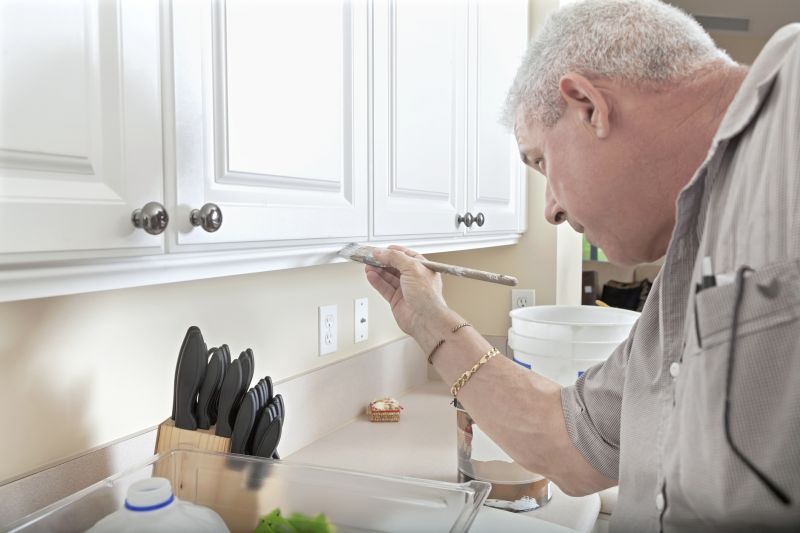 Cabinet paintings can significantly enhance the aesthetic appeal of a space, transforming plain or outdated cabinetry into focal points of a room. Achieving a professional-looking finish often involves selecting the right products, tools, and techniques. Whether you are a DIY enthusiast or a seasoned painter, understanding the variety of products available for cabinet painting can help ensure a smooth process and satisfying results. From primers and paints to brushes, rollers, and finishing supplies, each component plays a role in the overall outcome.
Top Overall Option
Comprehensive Cabinet Painting Kit
A complete cabinet painting kit offers a curated selection of primers, paints, brushes, rollers, and sealants designed specifically for cabinetry projects. These kits simplify the process by providing compatible products that work well together, helping users achieve a consistent finish. They are ideal for DIYers seeking convenience and reliable results without the need to source individual components separately.
Types of Products For Cabinet Paintings
Cabinet Primer
Primers designed for cabinetry provide a smooth base for paint adhesion and help hide previous finishes or imperfections.
Water-Based Cabinet Paint
Low-odor, quick-drying paints that are easy to clean up and suitable for indoor cabinetry.
Oil-Based Cabinet Paint
Durable paints offering a smooth finish, often preferred for high-traffic areas.
Chalk Paint
A matte finish paint that adheres well to surfaces with minimal prep, popular for distressed or vintage looks.
Milk Paint
Natural-looking paint that provides a matte, antique finish, often used for shabby chic styles.
Spray Paint for Cabinets
A convenient option for achieving a smooth, even coat on cabinet surfaces with minimal brush marks.
Brushes for Cabinets
High-quality brushes designed for smooth application and minimal streaking on cabinetry.
Foam Rollers
Ideal for applying paint evenly on flat surfaces, reducing brush marks.
Polyurethane Sealant
A protective topcoat that enhances durability and resistance to wear and moisture.
Varnish
Provides a clear, hard finish that protects painted surfaces from damage.
Paint Strippers
Products used to remove old paint or finishes before refinishing cabinets.
Degreasers and Cleaners
Essential for preparing surfaces by removing grease, grime, and residues.
Painter's Tape
Helps create clean lines and protect adjacent surfaces during painting.
Drop Cloths
Protect floors and surrounding areas from paint splatters and drips.
Sandpaper and Sanding Blocks
Used to smooth surfaces and improve paint adhesion before painting.
Popular Choices
Pre-packaged kits containing primers, paints, and tools designed for cabinetry projects.
Offers a shiny, reflective finish suitable for modern kitchen styles.
Provides a subdued, non-reflective surface that hides imperfections well.
Popular for achieving smooth, even coats with minimal effort.
Favored for vintage or distressed looks, easy to apply with minimal prep.
Designed to eliminate the need for a separate primer layer, simplifying the process.
Topcoats that provide added protection for frequently used cabinetry.
Low VOC options that are popular among environmentally conscious consumers.
Designed to accommodate slight movements in wood, reducing cracking.
Preferred for faster project completion with minimal downtime.
Includes metallic, textured, or distressed paints for unique effects.
Help paints stick better to challenging surfaces like laminate or plastic.
Proper preparation is key to successful cabinet painting. This includes cleaning surfaces thoroughly, sanding to create a smooth base, and choosing compatible primers and paints that adhere well to cabinet materials. The type of paint selected can influence the durability and appearance of the finished project, with options ranging from oil-based to water-based formulations. Additionally, the use of quality brushes and rollers can reduce streaks and brush marks, leading to an even, professional-looking finish.
Long-lasting cabinet paint jobs also depend on applying the right topcoats and sealants. These protective layers help resist chipping, peeling, and staining, especially in high-traffic or moisture-prone areas like kitchens and bathrooms. Proper drying times and application techniques are essential to avoid imperfections and achieve a smooth, durable surface. Investing in the right products and understanding their specific uses can make a noticeable difference in the final result, whether for a small refresh or a complete cabinet overhaul.
Key Buying Considerations
- Surface material compatibility: ensure the product is suitable for wood, laminate, or MDF cabinets.
- Type of finish desired: decide between matte, gloss, satin, or textured finishes.
- Durability and resistance: consider products that offer resistance to chipping, staining, or moisture if applicable.
- Application method: choose between brushes, rollers, or spray options based on project size and detail.
- Drying and curing times: factor in how long the paint takes to dry and cure for handling and use.
- Ease of use: look for products that are user-friendly, especially for DIY projects.
- Coverage area: check the product's coverage per unit to estimate how much you'll need.
- Preparation requirements: some paints require priming or surface preparation, others are self-priming.
- Environmental conditions: consider ventilation and temperature requirements during application.
- Price and value: balance cost with quality and expected longevity of the finish.
- Brand reputation and reviews: research customer feedback for insights into product performance.
- Availability of matching accessories: ensure brushes, sealants, and other supplies are compatible.
- Color options and customization: select from a wide range of colors or finishes to match your decor.
- Environmental impact: consider VOC levels and odor if working indoors or in confined spaces.
- Maintenance and cleaning: choose products that are easy to clean and maintain over time.
This page contains affiliate links. We may earn a commission from qualifying purchases, which helps support our content and recommendations.